Recovering from pain or an injury is not always about waiting for symptoms to disappear. Rehabilitation provides a structured way to address movement and function while adapting care to individual abilities and goals. For people considering physical therapy West Los Angeles, understanding its role in everyday function can clarify what this care accomplishes.
Rehabilitation Is About More Than the Painful Area
An injury or period of inactivity can affect strength, flexibility, coordination, endurance, or confidence with movement. A person may avoid activities because they hurt, which can gradually change how the body is used.
Physical therapy can address these broader functional concerns. Treatment may consider how an individual moves during activities rather than concentrating exclusively on where discomfort occurs.
This can matter when an injury interferes with work, exercise, household responsibilities, or walking.
Rest and Activity Need to Be Balanced
Rest can be appropriate during some stages of recovery, but prolonged avoidance of movement is not the goal of rehabilitation.
A physical therapist can help determine which movements and activities are appropriate based on a person’s condition and abilities. Some activities may need temporary modification, while others can be gradually reintroduced as tolerance improves.
The objective is not to push through every sensation of discomfort. Rehabilitation can provide a controlled way to increase activity while observing how the body responds.
Recommendations should be based on individual circumstances.
Rebuilding Strength After Inactivity
Rehabilitation may use progressive exercises to address weakness and improve functional movement. One person may need lower-body strength for walking or climbing stairs, while another may need upper-body strengthening for lifting or reaching.
A therapist can adjust repetitions, resistance, movement complexity, or other aspects of an exercise according to the treatment plan.
The purpose is to develop capacity for needed or desired activities.
Improving Movement Quality
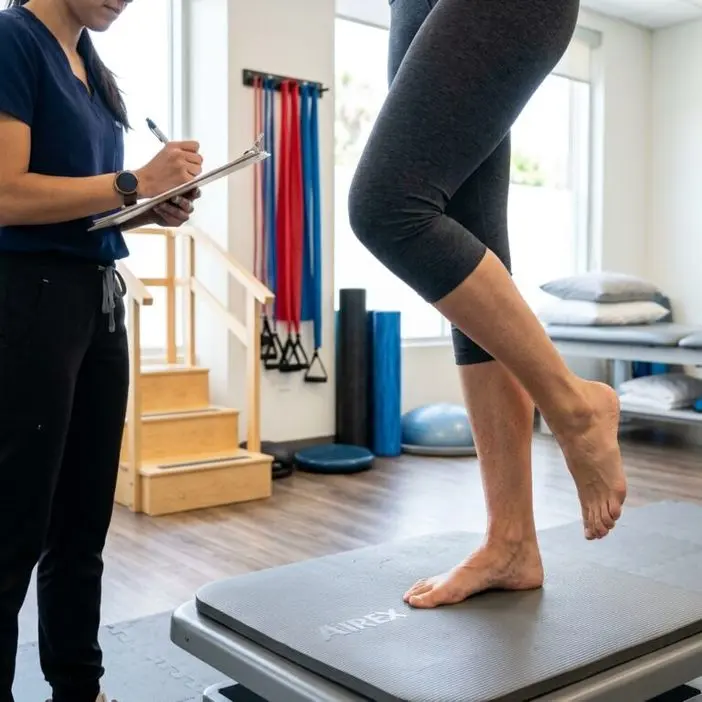
A rehabilitation program may address movement patterns involving joints, muscles, balance, coordination, and posture. Someone returning to regular walking, for example, may need to work on stability and control as well as strength.
According to the NHS, physiotherapy can help ease pain and improve movement when someone is affected by an injury, illness, or disability. The NHS also describes exercises, manual therapy, and advice about managing symptoms as approaches that may be included in physiotherapy care.
Returning to Everyday Activities
Everyday function can be a meaningful measure of progress. Depending on individual goals, rehabilitation may support activities such as getting dressed, carrying objects, walking longer distances, using stairs, returning to work, or resuming recreational activities.
A treatment plan can be adjusted around activities that matter most to the patient. Someone with a physically demanding occupation may have different functional goals from someone whose priority is moving comfortably at home.
Discussing these priorities can help establish practical goals.
Gradual Progress Can Help Build Tolerance
Rehabilitation can involve gradually increasing the demands placed on the body. A person may first work on basic movement, then progress toward more challenging activities as appropriate.
This progression can involve changes in resistance, duration, repetitions, balance demands, movement speed, or task complexity.
Gradual rehabilitation does not guarantee a recovery timeline, but it provides a structured framework for increasing activity.
Recognizing Setbacks During Recovery
Symptoms may change as activity levels change, and a person may encounter difficulties when attempting a new movement or returning to a familiar activity.
Instead of independently abandoning rehabilitation or making major changes to an exercise program, patients should communicate these changes to their healthcare professional or physical therapist.
A therapist can assess whether an activity needs to be modified, reduced, progressed differently, or temporarily replaced. Communication makes it easier to adapt to treatment.
Severe, new, or concerning symptoms should be discussed promptly with an appropriate healthcare professional.
Supporting Long-Term Physical Function
Patients may receive exercises, movement guidance, or recommendations for modifying activities based on their circumstances. Understanding how to manage physical demands can help people make informed decisions about activity after their formal therapy program.
Depending on the condition, rehabilitation may help develop strength, mobility, knowledge, and confidence for appropriate activities.
When Rehabilitation May Be Worth Discussing
Physical therapy may be worth discussing when pain, weakness, stiffness, or reduced mobility interferes with normal activities.
Consider seeking an evaluation if you experience:
- Difficulty returning to normal physical activities
- Weakness following an injury or period of inactivity
- Reduced mobility affecting everyday tasks
- Difficulty maintaining balance or movement control
- Functional limitations after surgery or another medical event
- Recurring problems when attempting to resume activity
An evaluation can determine whether physical therapy or another medical assessment is appropriate.
Medical disclaimer: This article is for general educational purposes only and is not a substitute for professional medical advice, diagnosis, or treatment.
Making Rehabilitation Part of Your Recovery Plan
Physical therapy provides a structured approach to rebuilding movement and function. Rehabilitation may involve strengthening, mobility work, movement training, education, and gradual progression.
If pain, weakness, or limited mobility affects your daily life, Brentview Medical’s physical therapy and rehabilitation services can help you discuss your needs and whether rehabilitation may be appropriate.
Frequently Asked Questions
Can physical therapy help with movement problems even when pain is not severe?
Yes. Weakness, stiffness, reduced balance, limited mobility, or difficulty performing activities may warrant an evaluation even when pain is not severe.
How does a therapist decide when to increase activity?
Progression depends on the individual’s condition, functional abilities, treatment goals, and response to the current level of activity. A therapist can adjust exercises or tasks as appropriate.
What if I feel better before completing my therapy plan?
Feeling better does not necessarily mean every rehabilitation goal has been reached. Discuss your progress with your therapist before stopping or changing treatment so they can determine whether further treatment is appropriate.
How long does physical therapy usually take?
The length of therapy varies based on the condition, severity of limitations, treatment goals, and progress. A healthcare professional or physical therapist can recommend an appropriate plan after evaluating your needs.