Starting physical therapy can feel unfamiliar. Knowing what happens during an initial appointment can make the process easier and help you prepare. If you are considering physical therapy West Los Angeles, understanding the first visit can also help you know what information to bring and what your therapist may evaluate.
Why the First Physical Therapy Visit Matters
Your first appointment is generally focused on understanding your current condition rather than immediately putting you through an intensive exercise session. The physical therapist needs to understand how your condition affects movement and daily activities.
You may be asked about your symptoms, previous medical care, medications, physical activity, work demands, and specific concerns. Be specific when describing your symptoms. Instead of simply saying that your knee hurts, explain whether discomfort occurs while walking, climbing stairs, standing for long periods, or getting up from a chair.
Your personal goals are also important. Someone who wants to return to recreational sports may have different priorities from someone who wants to move comfortably around the house.
What Happens During the Initial Evaluation?
After discussing your health history and concerns, the therapist may perform a physical and functional assessment. The exact evaluation depends on your symptoms and reason for seeking physical therapy.
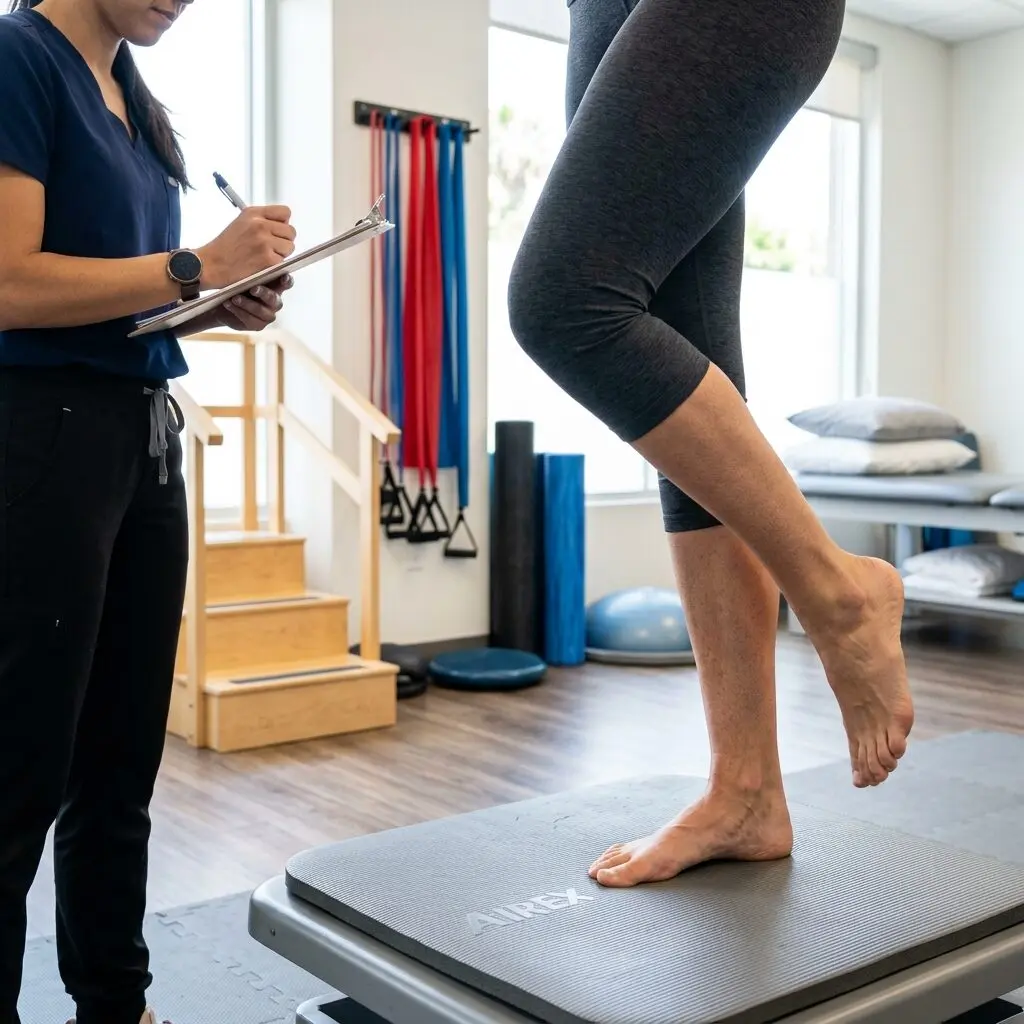
The assessment may include observing how you walk, checking your range of motion, evaluating muscle strength, and looking at balance or coordination. Your therapist may also assess how you perform certain movements or everyday activities.
A therapist may also look at how different parts of your body work together during functional activities.
Expect Questions About Your Daily Routine
Your therapist may ask about your normal routine, including how much time you spend sitting, standing, walking, lifting, or exercising.
Your occupation and hobbies may also be relevant if they place particular demands on your body. Be honest about activities that increase or reduce your symptoms. This information helps your therapist tailor your care.
Your Treatment Plan Should Be Individualized
Once the initial evaluation is complete, your physical therapist can discuss appropriate treatment options and goals. Your plan may involve therapeutic exercises, movement training, flexibility work, strengthening, balance activities, or other techniques depending on your needs.
Some exercises may focus on improving mobility, while others may address strength, coordination, stability, or functional movement.
The Cleveland Clinic explains that physical therapy can combine exercises, stretches, movements, and hands-on techniques, with treatment varying according to a person’s injury, health condition, and movement needs. Its patient article on physical therapy provides additional information about what physical therapy can involve.
You May Receive Exercises to Continue at Home
Your physical therapy program is not necessarily limited to time spent in the clinic. Depending on your evaluation, your therapist may recommend exercises or movement activities to perform at home.
If an exercise is uncomfortable, difficult to understand, or does not fit your routine, tell your therapist rather than silently modifying or abandoning it.
Your therapist can adjust exercises as your abilities and goals change.
How Progress May Be Monitored
Physical therapy is an ongoing process, so your therapist may monitor changes throughout your care. Progress can involve changes beyond discomfort.
Depending on your goals, improvement may include greater range of motion, increased strength, better balance, improved walking ability, or greater ease with specific daily activities.
Your therapist may repeat certain measurements or functional activities to compare your performance over time. These observations can help determine whether your plan should continue or change.
What Should You Wear to Physical Therapy?
Wear comfortable clothing that allows the therapist to observe and assess the body area involved in your treatment. For example, loose clothing may make it easier to evaluate leg movement when your concerns involve the knee, hip, or ankle.
Comfortable shoes may also be useful when walking, balance, or lower-body movement is part of your assessment.
Bring relevant medical records, imaging reports, medication information, or recommendations from another healthcare professional if available.
Questions to Ask at Your First Visit
Your first appointment is also an opportunity to ask questions. Consider discussing:
- What may be contributing to my movement limitations?
- What are the main goals of my therapy?
- Which exercises should I perform at home?
- What activities should I modify?
- How will my progress be evaluated?
- When should I tell you if a movement causes discomfort?
Questions can help you understand your treatment plan.
What Happens After the First Appointment?
After the initial evaluation, future sessions can focus more specifically on the goals established during your assessment. Your treatment may change as your mobility, strength, tolerance, or functional abilities change.
The number and frequency of sessions can vary because physical therapy plans depend on the individual’s condition, goals, response to treatment, and clinical recommendations. There is no single schedule that applies to everyone.
Communicate openly with your therapist throughout the process. Tell them about symptom changes, difficulties with home exercises, or activities you want to perform more comfortably.
Medical Disclaimer
This article is for general educational purposes only and does not replace an evaluation, diagnosis, or individualized medical advice from a qualified healthcare professional.
If you are considering physical therapy in West Los Angeles and want professional guidance tailored to your needs, discover how Brentview Medical can support your rehabilitation goals through its physical therapy and rehabilitation services. Connect with Brentview Medical’s physical therapy team to discuss your concerns and determine an appropriate next step.
FAQs
Do I need a referral before starting physical therapy?
Requirements can vary depending on your health plan, location, and individual circumstances. Ask the physical therapy provider and your insurance company whether a referral or authorization is required.
Will I exercise during my first physical therapy appointment?
You may perform certain movements or exercises during the initial visit, but the appointment will generally involve an evaluation first. What happens during the session depends on your symptoms and clinical needs.
Should I tell my therapist about old injuries?
Yes. Previous injuries, surgeries, medical conditions, and treatments may provide useful background when your therapist evaluates your current movement and function.
What if an exercise causes discomfort?
Tell your therapist. They can determine whether the activity should be modified, replaced, or performed differently based on your individual circumstances.
How long does physical therapy take to work?
There is no universal timeline. Progress depends on factors such as your condition, goals, treatment plan, participation, and response to therapy. Your therapist can discuss expectations after evaluating you.