When a healthcare provider recommends an X-ray, knowing what to expect can make the appointment easier. If you are looking for an X-ray in Los Angeles, you may have questions about what the examination can detect, whether you need to prepare, how long it takes, and what to know about radiation. Understanding the process can help you arrive prepared and know what questions to ask.
What Can an X-Ray Show?
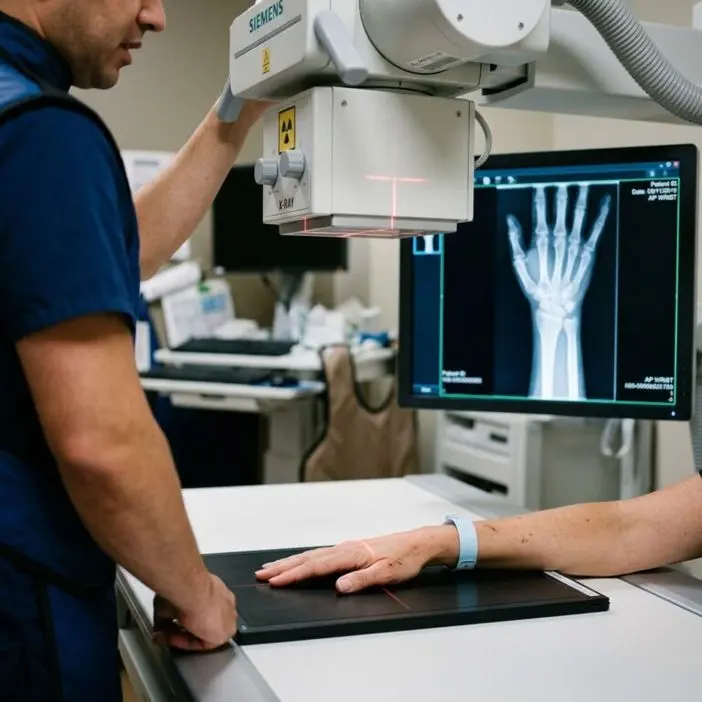
X-rays, also called radiography, create pictures of structures inside the body using a small amount of ionizing radiation. They are particularly useful for examining bones, making them a common imaging method when a healthcare provider suspects a fracture.
For example, someone who falls while playing sports may have wrist pain, swelling, or bruising without an obvious deformity. An X-ray can help determine whether a fracture is present. X-rays can also be used to look for certain injuries or infections and, in some situations, locate foreign objects within soft tissue.
The type of X-ray depends on what your healthcare provider needs to evaluate. Someone with certain chest symptoms may need a chest X-ray, while a person who injures an ankle may require images focused on that area.
X-rays also have limitations. They cannot provide the same information as every other type of imaging. Depending on the suspected condition, your healthcare provider may determine that an ultrasound, CT scan, MRI, or another examination is more appropriate.
When Might You Need an X-Ray?
An X-ray may be recommended for several reasons, including:
- Suspected broken or fractured bones
- Evaluation after an accident or injury
- Pain or swelling involving a bone or joint
- Assessment of certain chest symptoms
- Checking bone or joint alignment
- Monitoring a previously identified injury
- Looking for certain foreign objects in soft tissue
The decision to order an X-ray depends on your symptoms, medical history, physical examination, and the information your healthcare provider needs.
For example, pain after a fall may lead to imaging when a fracture is suspected. If symptoms point toward a soft-tissue problem instead, another type of diagnostic test may be more suitable.
What Happens During an X-Ray?
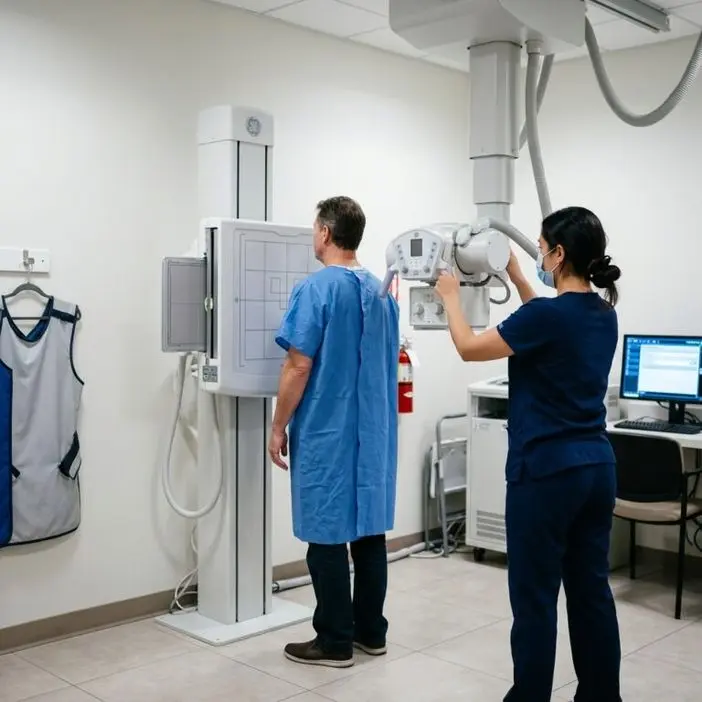
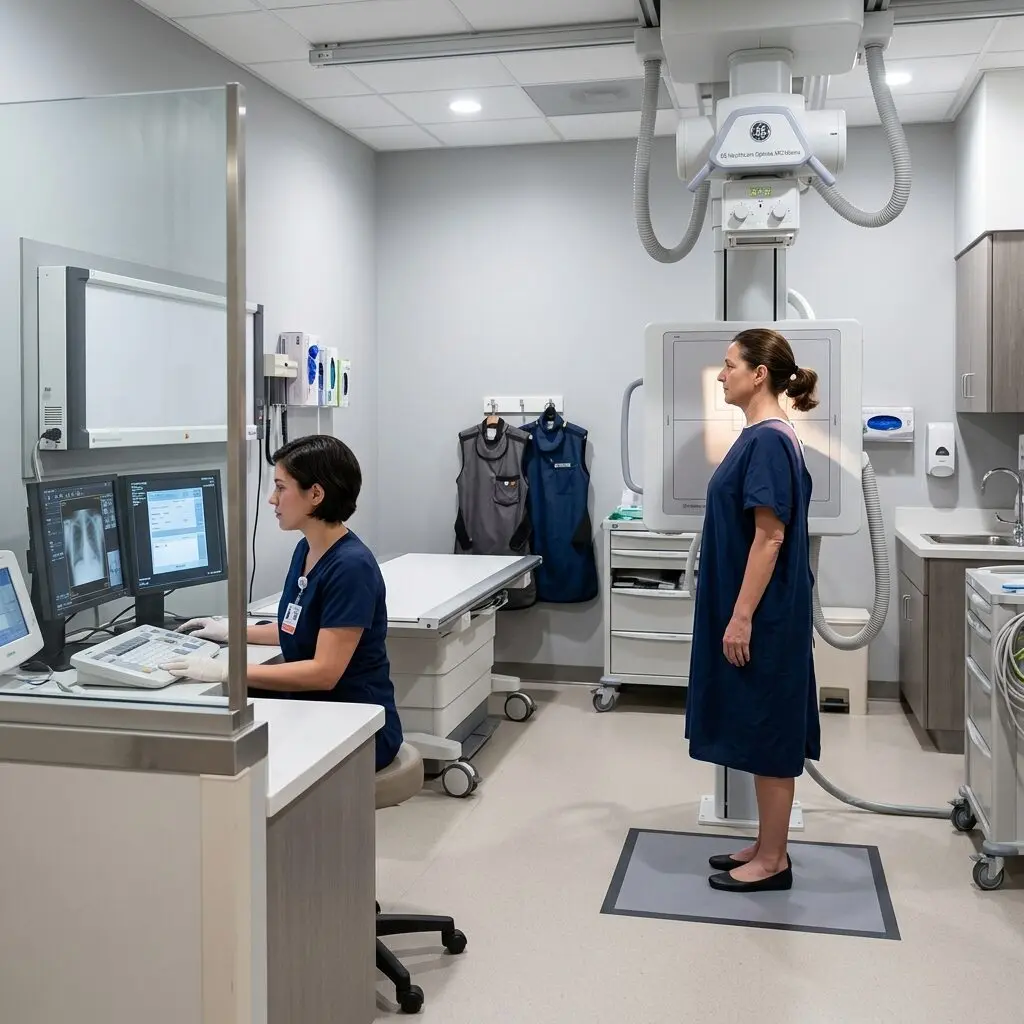
During a routine X-ray, a technologist positions the part of your body being examined in relation to the X-ray equipment. Depending on the body area, you may stand, sit, or lie down.
You will generally need to remain still while each image is taken. Some examinations may also require you to hold your breath briefly to prevent movement from affecting the image.
The X-ray itself does not normally cause pain. However, positioning can be uncomfortable when you have an injury. Tell the technologist if a particular position causes significant pain.
You may also be asked to remove jewelry or other objects that could interfere with the images. Depending on the examination and your clothing, you may need to change into a gown.
Do You Need to Prepare for an X-Ray?
Preparation depends on the type of examination. Many standard X-rays require little or no special preparation.
Some X-ray examinations use contrast material to improve the visibility of particular organs, blood vessels, tissues, or bones. According to RadiologyInfo.org, certain examinations may use an iodine-based contrast material or barium.
Because preparation requirements can vary, follow the instructions provided when your appointment is scheduled. If you are unsure whether you can eat, drink, or take your usual medication before the examination, contact the imaging facility for specific instructions.
Tell your healthcare provider or imaging professional if you are pregnant or think you could be pregnant. This information allows the medical team to consider appropriate precautions.
How Much Radiation Does an X-Ray Use?
Radiation is a common concern when people are referred for an X-ray. Radiography uses ionizing radiation, but the dose used for X-ray imaging is very small.
According to RadiologyInfo.org’s X-ray guide, X-ray or radiography uses a very small dose of ionizing radiation to produce pictures of the body’s internal structures. The organization also describes X-rays as the oldest and most frequently used form of medical imaging.
The amount of radiation can vary depending on the specific examination. If you have concerns about the benefits or risks of a particular X-ray, discuss them with the healthcare professional who ordered the imaging.
Medical disclaimer: This article provides general health information and is not a substitute for professional medical advice, diagnosis, or treatment.
How Long Does an X-Ray Take?
The imaging portion of a routine X-ray is generally brief, although the complete appointment can take longer because of registration, preparation, positioning, and the number of images required.
Some examinations require multiple views so the area can be evaluated from different angles. After the images are obtained, they are reviewed according to the facility’s process. A radiologist or another qualified healthcare professional may interpret the images and provide a report to the referring provider.
If your X-ray was ordered because of an injury or ongoing symptoms, ask when you should expect your results and who will discuss them with you.
What Should You Know Before Your Appointment?
Following the imaging facility’s instructions is the most important preparation. Requirements can differ depending on the examination, particularly when contrast material is involved.
Tell the imaging team about a possible pregnancy before the examination. If you are having an X-ray because of an injury, also explain where you are experiencing pain and whether certain movements make it worse. This can help the technologist account for positioning limitations during the examination.
If you have questions about the examination, ask them before the images are taken. Knowing what will happen can make the appointment more comfortable and prevent confusion about preparation or results.
Finding X-Ray Services in Los Angeles
An X-ray can provide useful information when a healthcare provider needs to evaluate a suspected fracture, injury, infection, or another specific concern. Understanding the examination beforehand can help you prepare and communicate any questions or concerns to the imaging team.
If you have been referred for an X-ray and need an imaging option in Los Angeles, schedule your X-ray with Brentview Medical and review the available services before your appointment.
Frequently Asked Questions
Are X-rays painful?
The imaging itself is generally not painful. However, positioning an injured body part can cause discomfort. Tell the technologist if a required position causes significant pain.
Can I eat before an X-ray?
Many routine X-rays do not require dietary preparation. Some examinations have different requirements, particularly when contrast material is used. Follow the instructions provided for your specific appointment.
How many images will be taken?
The number depends on the body area and what your healthcare provider needs to evaluate. Multiple views may be required to examine a structure from different angles.
Can an X-ray detect every type of injury?
No. X-rays are particularly useful for examining bones and certain other findings, but they cannot provide the same information as every imaging method. Your healthcare provider may recommend another test when appropriate.
Should I mention a possible pregnancy?
Yes. Tell your healthcare provider or imaging professional if you are pregnant or think you could be pregnant before the examination.