Recovering from an injury or managing ongoing pain often takes more than simply resting and waiting for symptoms to improve. Whether you’re recovering from a sports injury, surgery, or a strain from everyday activities, rehabilitation may play an important role in helping restore movement and function. For people exploring physical therapy West Los Angeles, understanding how rehabilitation works can make it easier to discuss treatment options with a healthcare provider and determine whether physical therapy may be appropriate for their individual needs.
What Is Physical Therapy?
Physical therapy is a form of rehabilitation that focuses on improving movement, reducing pain, and restoring physical function. Treatment plans are developed based on a person’s medical condition, symptoms, functional limitations, and recovery goals rather than using the same approach for everyone.
Physical therapy may be recommended after an injury, following surgery, or when pain or limited mobility begins affecting everyday activities. The goal is not only to address current symptoms but also to help improve strength, flexibility, balance, and movement patterns that support long-term function.
Because every patient is different, treatment recommendations depend on an evaluation performed by a qualified healthcare professional.
When Physical Therapy May Be Recommended
A healthcare provider may recommend physical therapy for many different conditions affecting muscles, joints, bones, or nerves.
Some common situations include:
- Sprains and strains
- Back or neck pain
- Shoulder injuries
- Knee pain
- Sports-related injuries
- Arthritis affecting mobility
- Recovery after orthopedic surgery
- Balance or walking difficulties
Not everyone experiencing these conditions will require physical therapy, and the appropriate treatment depends on the underlying cause of the symptoms. An evaluation helps determine whether rehabilitation may be beneficial and what type of treatment is most appropriate.
What Happens During a Physical Therapy Evaluation?
The first appointment usually begins with a discussion about your medical history, symptoms, daily activities, and recovery goals. Understanding how pain or limited movement affects your routine helps guide the evaluation.
Your physical therapist may assess several factors, including:
- Range of motion
- Muscle strength
- Flexibility
- Balance
- Posture
- Walking pattern
- Functional movements related to daily activities
The evaluation helps identify areas that may benefit from rehabilitation. Rather than focusing only on the painful area, the therapist may also evaluate how other parts of the body contribute to movement.
Based on the findings, an individualized treatment plan is developed with goals that match your condition and level of activity.
What Does Physical Therapy Treatment Include?
Treatment varies depending on the condition being treated and the individual’s progress throughout rehabilitation.
A physical therapy program may include therapeutic exercises designed to improve strength, flexibility, endurance, and joint mobility. Stretching exercises may help improve movement, while strengthening exercises can support muscles that have become weaker after injury or inactivity.
Some patients may also receive manual therapy, which involves hands-on techniques performed by the therapist to improve joint or soft tissue mobility.
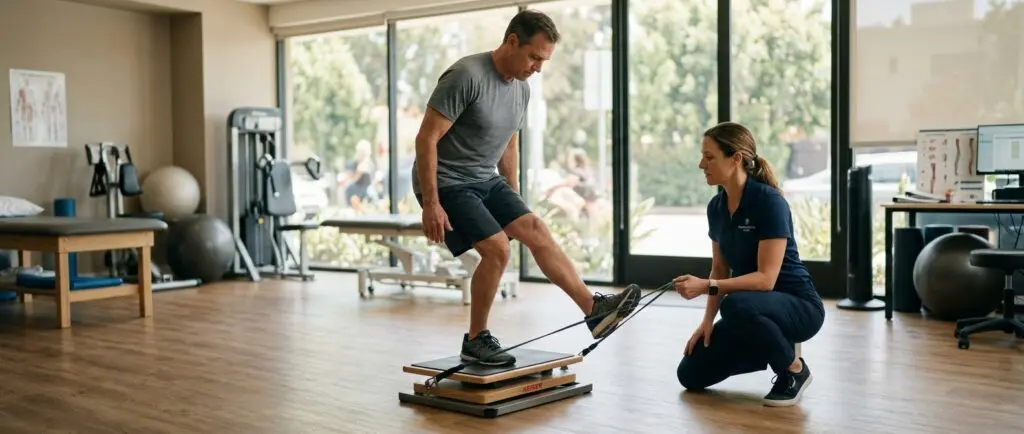
Balance and coordination exercises may be recommended for individuals recovering from certain injuries or conditions affecting stability.
Education is another important part of rehabilitation. Patients often receive guidance on posture, body mechanics, safe movement techniques, and home exercises that support recovery between appointments.
According to the American Physical Therapy Association’s ChoosePT guide, physical therapists are movement experts who help people improve mobility, manage pain, recover from injuries, and support long-term physical function through individualized care.
Recovery Is Different for Everyone
Recovery timelines vary depending on the injury, overall health, age, activity level, and treatment goals. Some people notice gradual improvement within a few weeks, while others recovering from surgery or more significant injuries may participate in rehabilitation for a longer period.
Attending scheduled therapy sessions consistently can help monitor progress and allow treatment plans to be adjusted as recovery continues. Completing recommended home exercises may also support improvements between appointments.
Progress is not always perfectly steady. Some days may feel better than others, and recovery often occurs gradually rather than all at once. Your healthcare provider or physical therapist can explain what progress may reasonably be expected for your condition.
When Should You Talk to a Healthcare Provider?
Persistent pain or limited movement should not always be dismissed as a normal part of aging or everyday activity.
You may wish to discuss rehabilitation with a healthcare provider if you experience:
- Pain that does not improve after several weeks
- Difficulty performing normal daily activities
- Reduced flexibility or range of motion
- Ongoing joint or muscle stiffness
- Recovery after orthopedic surgery
- Repeated injuries affecting the same area
A healthcare provider can evaluate your symptoms, determine the underlying cause, and recommend whether physical therapy or another treatment approach may be appropriate.
Medical disclaimer: This article provides general educational information and is not a substitute for individualized medical advice, diagnosis, or treatment.
Supporting Recovery Through Rehabilitation
Physical therapy is designed to help people recover movement, improve function, and support rehabilitation after many different injuries and conditions. Because every person’s medical history and recovery goals are different, treatment should always be based on an individualized evaluation.
If you’re recovering from an injury or looking for rehabilitation support, Brentview Medical’s physical therapy and rehabilitation services can help determine whether physical therapy may be appropriate for your healthcare needs.
Frequently Asked Questions
How long does physical therapy usually take?
The length of treatment depends on your condition, recovery goals, overall health, and how your body responds to therapy. Some people complete rehabilitation within a few weeks, while others may require a longer treatment plan.
Is physical therapy only for sports injuries?
No. Physical therapy may be recommended for many conditions, including back pain, arthritis, recovery after surgery, balance problems, joint injuries, and other issues affecting movement or physical function.
Will physical therapy eliminate pain completely?
Results vary from person to person. Physical therapy may help improve movement, reduce pain, and support recovery, but outcomes depend on the underlying condition and individual circumstances.
Do I need to continue exercises at home?
Many treatment plans include home exercises that complement in-clinic therapy. Following your therapist’s recommendations may help support recovery and maintain improvements between appointments.