
Physical Exam in Hollywood CA: What to Expect and Why Routine Exams Matter
A routine physical exam can provide a useful snapshot of your overall health, even when you feel perfectly well. For people searching for a physical exam in Hollywood CA, understanding what happens during an appointment can make the process easier and help you prepare for questions your healthcare provider may ask. A physical is not simply a check of your weight and blood pressure. Depending on your age, health history, and reason for visiting, it may include several assessments designed to identify potential concerns and guide future care.
What Is a Physical Exam?
A physical exam is a general health assessment performed by a healthcare professional. The appointment typically begins with questions about your medical history, current health, medications, allergies, lifestyle, and any symptoms you may have noticed.
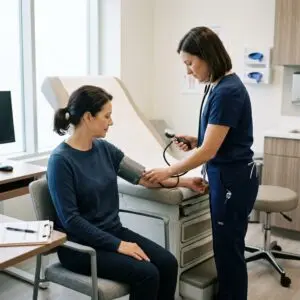
The provider may then perform a physical assessment. This can include measuring your blood pressure, heart rate, temperature, respiratory rate, height, and weight. Your provider may also listen to your heart and lungs, examine your abdomen, check your eyes, ears, nose, throat, or skin, and evaluate other areas based on your health history.
The exact components vary from person to person. Someone with a particular medical concern may need a more focused examination, while a healthy adult coming in for a routine checkup may have a broader preventive assessment.
Why Routine Physicals Matter Even When You Feel Healthy
It is easy to assume that feeling well means everything is fine. However, some health changes do not cause noticeable symptoms at first. A routine appointment gives you an opportunity to discuss your health with a professional and determine whether additional screening or testing is appropriate.
For example, blood pressure can be elevated without causing obvious symptoms. Similarly, changes in weight, heart rate, or other measurements may be worth discussing even if you feel normal.
A physical exam can also create a useful baseline. When your healthcare provider has records from previous visits, changes over time may be easier to recognize. That information can help guide conversations about lifestyle, screening, or follow-up care.
What Happens During a Physical Exam?
Although every appointment is different, most physical exams follow a relatively straightforward process.
1. Health History
Your provider may ask about previous illnesses, surgeries, medications, allergies, family medical history, and lifestyle factors. Be honest and specific when answering these questions. Information that seems unrelated may still help your provider understand your overall health.
You should also mention symptoms that have recently appeared, even if they seem minor.
2. Vital Signs and Measurements
Basic measurements can provide important information about your current condition. These may include blood pressure, pulse, temperature, respiratory rate, height, and weight.
If one measurement is outside the expected range, your provider may recommend repeating it or discussing possible reasons rather than immediately drawing conclusions from a single reading.
3. Physical Assessment
Your provider may examine different parts of your body depending on your age, medical history, and concerns. They may listen to your heart and lungs, examine your abdomen, check your throat or ears, or look for physical changes that warrant further evaluation.
4. Preventive Health Discussion
A physical can also be a chance to review preventive care. Depending on your age, sex, family history, and risk factors, your provider may discuss appropriate screenings, vaccinations, lifestyle habits, or other healthcare needs.
The U.S. Centers for Disease Control and Prevention’s Adult Immunization Schedule provides guidance on recommended vaccines for adults based on factors such as age, medical conditions, other indications, and special situations.
How Should You Prepare?
You generally do not need extensive preparation for a standard physical exam, but a little organization can make your appointment more productive.
Before your visit, consider making a list of the medications and supplements you take, including their doses if you know them. You may also want to write down allergies, recent symptoms, previous diagnoses, and questions you want to discuss.
If you have records from another healthcare provider that may be relevant, ask whether they should be brought or transferred before your appointment.
It can also help to know whether your appointment requires fasting or other preparation. Requirements vary depending on what services or tests are planned, so ask the healthcare provider beforehand rather than assuming.
What Can You Learn From a Physical Exam?
A physical exam does not provide a complete picture of every aspect of your health, and it cannot predict every future health problem. Instead, it gives your provider information that can be considered alongside your medical history, symptoms, measurements, and appropriate testing.
Sometimes the examination is reassuring and no additional evaluation is needed. In other situations, your provider may recommend follow-up testing or another appointment to investigate something more closely.
The value of the appointment often comes from putting individual findings into context rather than focusing on one measurement in isolation.
How Often Should You Have a Physical?
There is no single schedule that applies to every adult. The appropriate frequency can depend on your age, medical history, risk factors, existing conditions, medications, and recommendations from your healthcare provider.
Someone with ongoing health concerns may need appointments more frequently than someone without known health issues. Your provider can help determine an appropriate schedule based on your individual circumstances.
Medical Disclaimer
This article is for general informational purposes only and does not constitute medical advice, diagnosis, or treatment. Speak with a qualified healthcare professional about your individual health needs.
Take the Next Step With Preventive Care
A routine physical can be a practical way to stay informed about your health and address questions before they become bigger concerns. Whether you need a general checkup, have a specific health concern to discuss, or simply want to establish a baseline for future visits, speaking with a healthcare professional is a useful starting point.
If you are looking for a physical exam in Hollywood, CA, you can explore physical exam services at Brentview Medical and contact the clinic to discuss your needs or schedule an appointment.
FAQs
Is a physical exam the same as a checkup?
The terms are often used interchangeably, although the exact services included can vary. A routine checkup may include a physical examination along with a review of your health history and preventive care needs.
Should I get a physical if I feel healthy?
Feeling healthy is a good sign, but it does not necessarily identify every potential health concern. A routine physical can give you an opportunity to review your health and discuss appropriate preventive care with a healthcare professional.
What should I bring to a physical exam?
Bring information about your current medications, supplements, allergies, relevant medical history, and any symptoms or questions you want to discuss. If you have relevant medical records from another provider, ask whether they should be provided before your appointment.