A physical exam can be more useful when you know which parts of your health history deserve attention. If you are looking for a physical exam in Hollywood CA, the appointment can provide an opportunity to discuss changes in your health, medications, family history, lifestyle, and preventive care needs. Rather than treating a physical as the same checklist for everyone, a healthcare provider can use your age, health history, symptoms, and individual risk factors to guide the conversation.
Start With Your Health History
Your medical history gives a provider context that a physical examination alone cannot always provide. Before your appointment, think about previous illnesses, surgeries, injuries, allergies, chronic conditions, and significant changes in your health.
It also helps to bring a current list of prescription medications, over-the-counter products, vitamins, and supplements. If you have recently started or stopped something, mention that too. Some medications and supplements can affect blood pressure, heart rate, sleep, appetite, or other aspects of your health.
Family history may influence the conversation as well. Let your provider know if close relatives have had conditions such as heart disease, certain cancers, diabetes, or other inherited health problems. This can help determine whether particular screenings or monitoring should be discussed.
Pay Attention to Changes You Have Noticed
A physical exam does not have to be limited to diagnosed conditions. It is also a good time to mention changes that may seem minor but have persisted or become noticeable.
You might bring up changes in weight, energy levels, sleep, appetite, digestion, exercise tolerance, or general well-being. Other concerns, such as recurring headaches, dizziness, skin changes, or unexplained discomfort, may also deserve discussion.
Even if a symptom does not seem connected to the reason for your appointment, mentioning it gives your provider a chance to decide whether it needs further evaluation.
What Health Measurements May Be Reviewed?
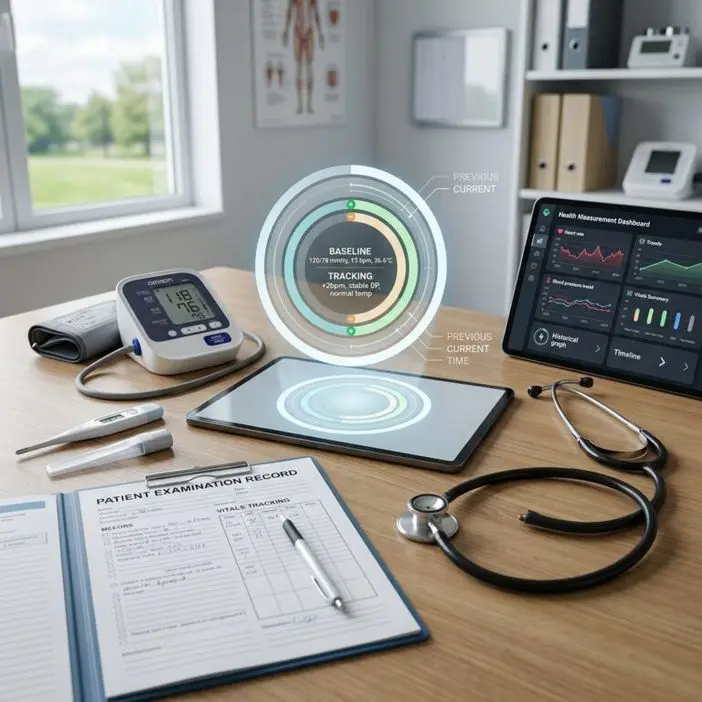
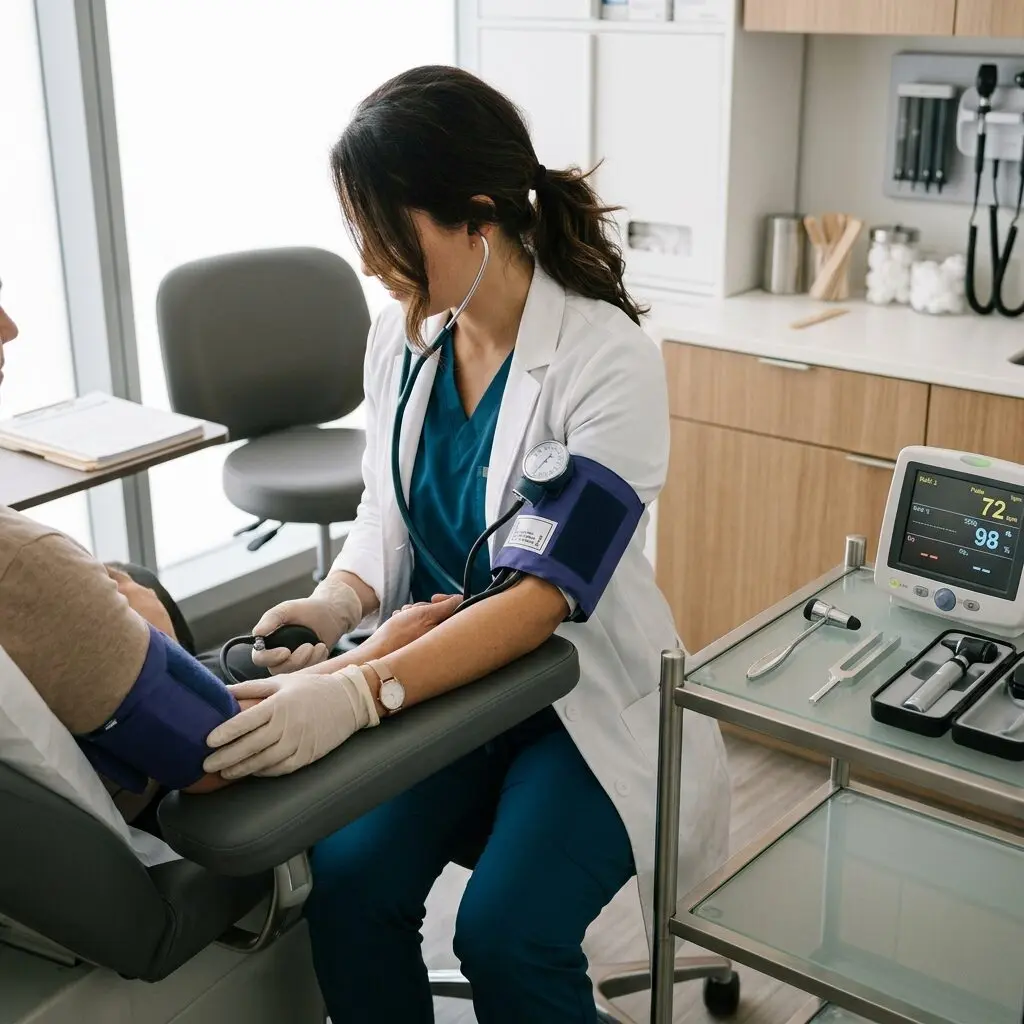
Some parts of a physical exam involve basic measurements that offer insight into your current health. Depending on your circumstances, a provider may check your blood pressure, pulse, temperature, height, weight, or other vital signs.
These numbers are most useful alongside your medical history and previous results. A single blood pressure reading, for instance, may not tell the complete story, especially if readings have changed over time. Your provider may consider patterns, medications, lifestyle factors, and other health information when deciding whether follow-up is appropriate.
Measurements give your provider another way to identify areas that may need closer attention.
Preventive Screening Is Individual
One important part of a healthcare visit is discussing which preventive screenings may be appropriate for you. Screening recommendations are not identical for every person. Age, sex, family history, previous results, health conditions, and other risk factors can influence when certain screenings should be considered.
MedlinePlus’s guide to health checkups offers an overview of preventive care, including screening tests and vaccines. It explains that recommended screenings can depend on factors such as age, sex, overall health, family history, and risks for certain diseases.
Lifestyle Questions Are Part of Healthcare
A physical exam can also open the door to conversations about everyday habits that influence health. Your provider may ask about physical activity, eating patterns, sleep, alcohol use, tobacco or nicotine use, and other lifestyle factors.
These questions are not meant to grade your choices. They help build a clearer picture of your overall health and can highlight areas where a small change may be worthwhile.
Poor sleep, for example, may affect how you feel during the day, while limited physical activity can influence cardiovascular and metabolic health. If you are struggling with a particular habit, being honest with your provider makes it easier to discuss realistic options.
Mental and Emotional Health Deserve a Place in the Conversation
Physical health and mental well-being are closely connected, so a healthcare appointment is also an appropriate setting to discuss stress, mood, sleep, concentration, or persistent feelings of being overwhelmed.
You do not have to wait until an issue significantly interferes with daily life before bringing it up. If something has changed and you are unsure whether it is worth mentioning, tell your provider. They can determine whether additional assessment or support may help.
Mental health questions may feel more personal than questions about blood pressure or medications, but they are still a normal part of comprehensive healthcare.
What Happens When Something Needs a Closer Look?
A physical exam does not always provide an immediate answer to every health concern. Sometimes the information gathered during an appointment suggests that additional evaluation would be useful.
Depending on the situation, your provider may recommend lab testing, imaging, a more specific examination, monitoring over time, or consultation with another healthcare professional. A finding that requires follow-up does not automatically mean a serious condition is present. It simply means more information may be needed.
If your provider recommends another test or appointment, ask what it is meant to evaluate and what to expect next. Understanding the reason for follow-up can make the process easier to navigate.
How to Prepare for a More Productive Appointment
You can make a physical exam more useful by preparing a few details beforehand. Write down your medications and supplements, note any new or ongoing symptoms, and jot down questions you have been meaning to ask.
If you have records of previous test results or other relevant medical information, bring them along when appropriate. It also helps to know when you last had certain screenings or vaccinations, although your provider can help fill in the gaps.
Most importantly, do not feel pressured to remember every detail perfectly. Your healthcare provider can ask follow-up questions and help organize the information during the appointment.
Medical Disclaimer
This article is intended for general educational purposes and does not replace individualized medical advice, diagnosis, or treatment. Preventive care and examination needs vary by person.
Where can I arrange a physical exam in Hollywood?
If you need to address current health concerns or want to discuss your preventive care needs with a healthcare professional, get your physical examination needs addressed at Brentview Medical in Hollywood.
Frequently Asked Questions
What should I bring to a physical exam?
Bring a list of your current medications and supplements, information about allergies, relevant medical records, and any health concerns or questions. Family medical history can also be useful.
Should I mention symptoms that seem unrelated?
Yes. Even if a symptom seems minor or unrelated, mentioning it gives your provider a chance to decide whether it needs attention or further evaluation.
Will my provider discuss preventive screenings?
Preventive screening may be discussed based on factors such as your age, medical history, family history, and individual risk. Your provider can help determine which recommendations apply to you.
Can lifestyle habits be discussed during a physical?
Yes. Topics such as sleep, nutrition, physical activity, tobacco or nicotine use, and alcohol use may be relevant to your overall health and worth discussing with your provider.