Sexual health is an important part of overall health, yet STI testing can feel unfamiliar or uncomfortable if you have never been through the process before. For anyone searching for free STD testing in West Hollywood, knowing what happens during a testing visit can make the experience feel more straightforward. From discussing your health history to providing a sample and learning when results may be available, understanding the process can help you feel more prepared.
What Happens During an STD Testing Visit?
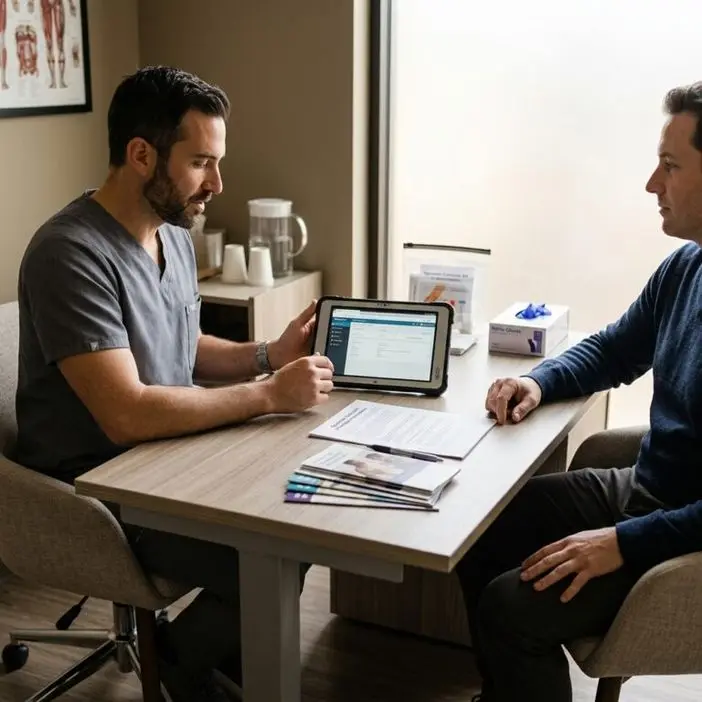
The testing process depends on which infections are being evaluated and your individual circumstances. A healthcare professional will typically begin by asking about symptoms, recent sexual activity, possible exposure, previous testing, and relevant medical history.
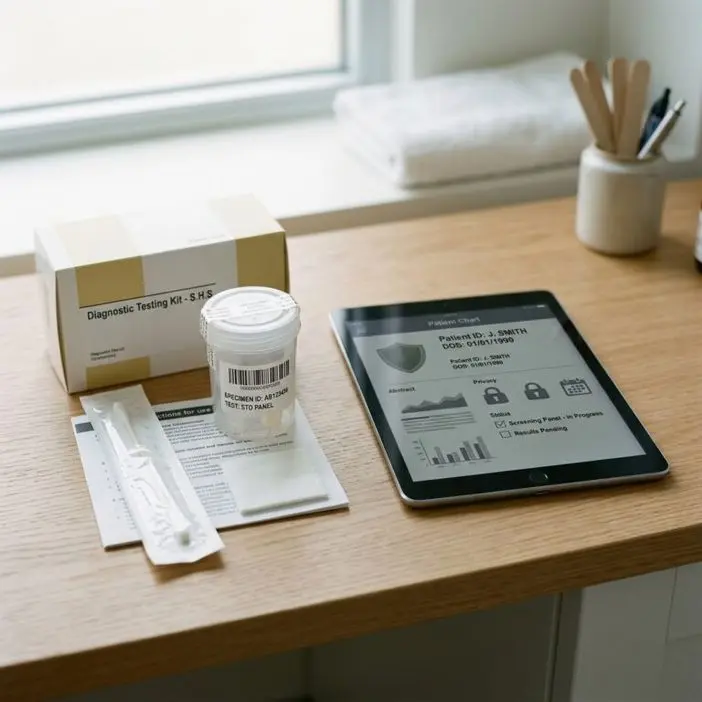
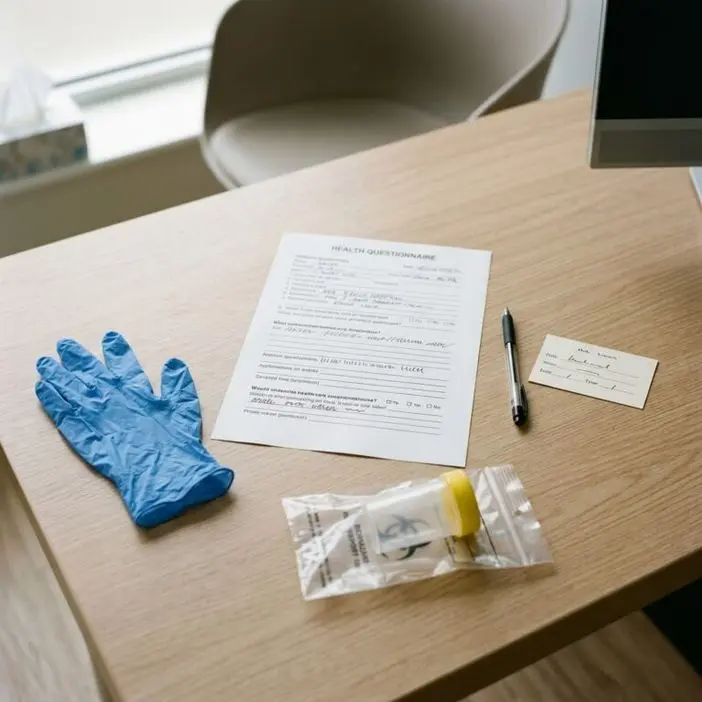
Depending on the circumstances, testing may involve a urine sample, blood test, swab, or another type of specimen. Your provider can explain which testing methods are appropriate and what each test checks for.
These questions aren’t meant to judge you. They help determine which tests are appropriate. Providing accurate information gives the provider a clearer picture of your circumstances and guides the evaluation.
What Information Should You Share With Your Provider?
Before testing, your provider may ask when a possible exposure occurred, whether you have noticed any symptoms, and whether you have had a new partner or other changes in your sexual health circumstances.
You may also be asked about previous STI testing, diagnoses, medications, and relevant medical conditions. Sharing accurate information can help your provider determine which tests may be appropriate.
If you are unsure about whether something is relevant, you can ask your provider. You are also free to ask why a particular test is being recommended and what information it can provide.
What Types of Samples May Be Collected?
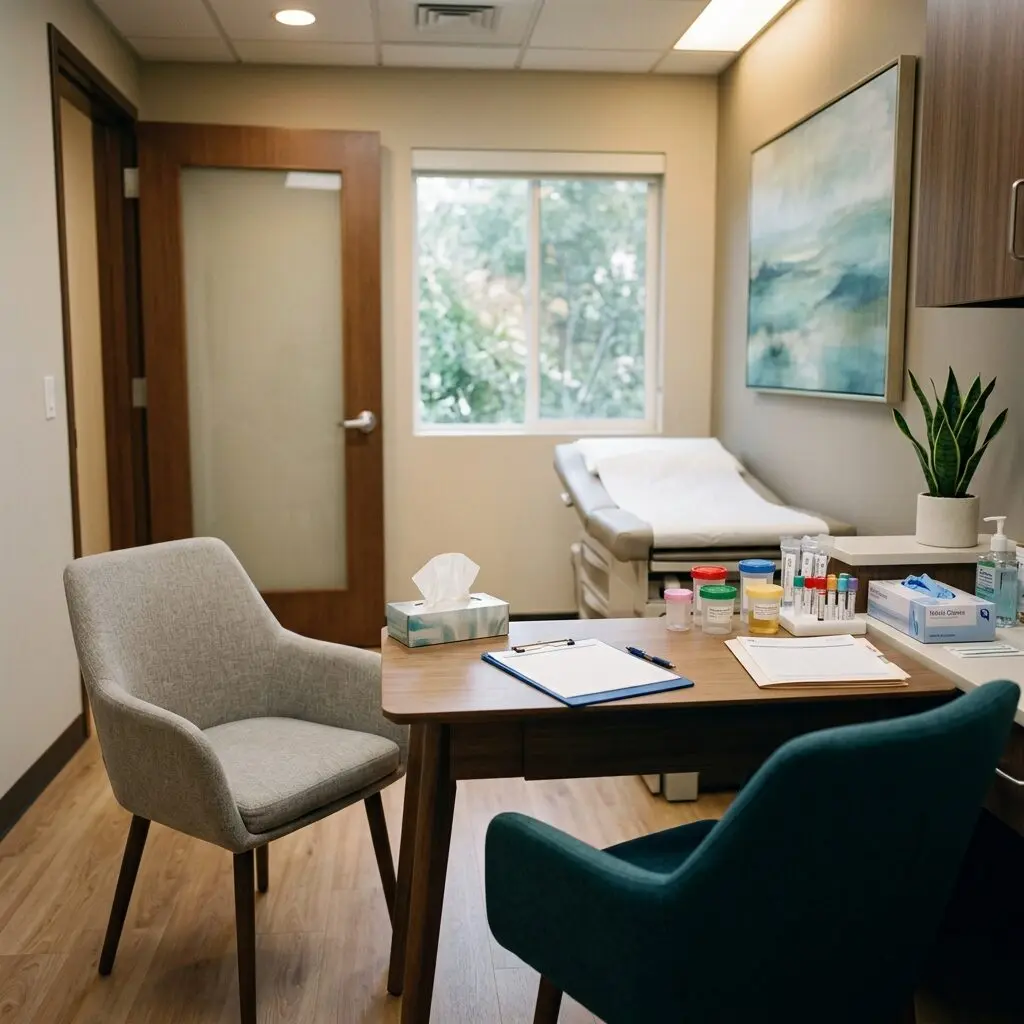
Different STIs require different testing methods. Depending on what your provider is evaluating, you may provide a urine sample or have blood drawn. Some situations may require a swab from a specific area.
Your provider can explain how the sample will be collected and whether you need to do anything differently before testing. The type of specimen depends on the infection being evaluated and your individual circumstances.
Does Timing Matter After Possible Exposure?
Yes. Testing immediately after a possible exposure may not give a definitive result for every infection because different infections become detectable at different times. The appropriate timing depends on the infection in question and the circumstances of the potential exposure.
If you believe you’ve been exposed, discuss the situation with a healthcare professional rather than relying on a general timeline. You may be advised to test at a specific point and return for follow-up testing later.
If symptoms appear after a possible exposure, let your provider know when they started and when the exposure occurred. These details can help shape the next steps.
Can You Ask Questions During the Visit?
Absolutely. A testing appointment is an opportunity to ask questions about your sexual health and the testing process.
You can ask what a particular test checks for, how the sample will be collected, when results may be available, and what follow-up may be necessary. If you have concerns about privacy, you can also ask how your information and results are handled.
Understanding the process can make it easier to participate in decisions about your care.
How Can You Prepare for an STD Testing Appointment?
Preparation does not need to be complicated. Before your appointment, consider when a possible exposure occurred, whether you have experienced any symptoms, and whether you have had a new partner or other changes in your sexual health circumstances.
It may also help to have information about previous STI testing, diagnoses, and any medications you are currently taking.
Most importantly, do not let embarrassment stand in the way of care. Sexual health is part of healthcare, and honest information gives your provider the context needed for an appropriate assessment.
What Happens After an STI Test?
Once your samples have been collected, the laboratory or healthcare provider processes the appropriate tests. The time needed to receive results can vary depending on the type of testing performed.
Your provider can explain how you will receive your results and whether you need to schedule a follow-up appointment. If additional testing or evaluation is recommended, they can discuss the next steps with you.
What If an STI Test Comes Back Positive?
A positive result is a reason to follow up with a healthcare professional, not to avoid care. Depending on the infection, treatment may be available, and your provider can explain what the result means and what happens next.
You may also need to discuss whether a partner should be tested or treated. Following medical recommendations can help reduce the chance of passing an infection along while addressing your own health.
Try not to draw conclusions about when or how an infection was acquired based solely on a positive result. Your provider can explain the specific infection, treatment options, and appropriate precautions.
Where Can I Seek STD Testing in West Hollywood?
Brentview Medical provides STD testing services for patients seeking sexual health care in the area. Take a proactive step toward knowing your STI status and addressing your sexual health concerns with Brentview Medical.
Frequently Asked Questions
Can I have an STI without knowing it?
Yes. Some STIs cause no noticeable symptoms, so feeling healthy does not necessarily mean an infection is absent. Testing may still be worthwhile depending on your circumstances.
Does one STD test check for all STIs?
No. Different infections require different testing methods. A healthcare professional can determine which tests fit your symptoms, sexual history, and possible exposure.
Should I get tested after having a new partner?
It is often worth discussing testing after starting a sexual relationship with a new partner. The appropriate tests and timing depend on your individual circumstances.
What should I do if my partner tests positive?
Contact a healthcare professional and let them know you may have been exposed. You may need testing, treatment, or follow-up depending on the infection involved.