Sexual health screening is not only something to consider when you notice a problem. A new partner, concern about a recent encounter, or wanting more information about your health can all be reasons to speak with a healthcare professional. If you are searching for free STD testing Hollywood, understanding what affects testing decisions can help you approach an appointment with greater confidence.
Testing Is About More Than Symptoms
A common reason people delay STI testing is that they feel healthy. However, the absence of discomfort, visible changes, or other symptoms does not necessarily mean testing is unnecessary.
STIs can present differently from one person to another. Some cause noticeable symptoms, while others may not produce anything that prompts a person to seek care. Testing may be worth discussing after a new partner, uncertainty about a previous partner’s STI status, a condom breaking, or concern about a particular exposure. The goal is not to assume that an infection exists, but to determine whether testing makes sense.
What Determines Which Tests You May Need?
STI screening is not necessarily a standard package that looks identical for everyone. A healthcare professional may consider:
- Whether you have symptoms
- The type of sexual contact involved
- When a potential exposure occurred
- Whether you have a new or multiple partners
- Whether a current or previous partner has been diagnosed with an STI
- Your previous testing history
The location and type of exposure can matter as well. Different specimens may be appropriate depending on which infection is being evaluated. Giving your provider accurate information can therefore be more useful than trying to select tests on your own.
Screening Recommendations Can Depend on the Person
There is no universal rule that every sexually active adult should receive exactly the same STI tests at every appointment. Recommendations can differ according to age, sex, pregnancy status, sexual history, symptoms, and other individual factors.
The U.S. Preventive Services Task Force’s recommendations on screening for chlamydia and gonorrhea illustrate this point. The USPSTF makes different recommendations for certain sexually active women based on factors including age and increased risk, rather than recommending identical screening for everyone.
A healthcare professional can consider your circumstances and help determine what screening, if any, is appropriate.
What Can an STI Appointment Look Like?
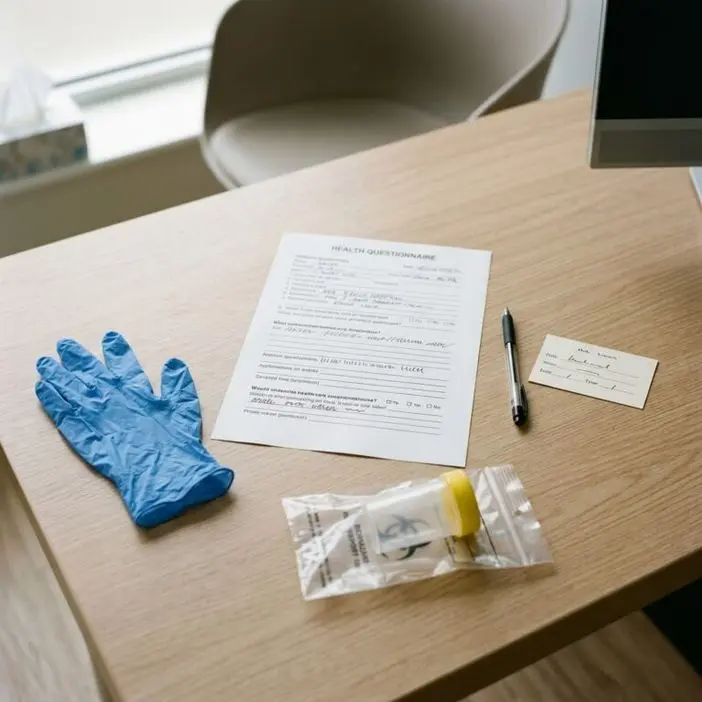
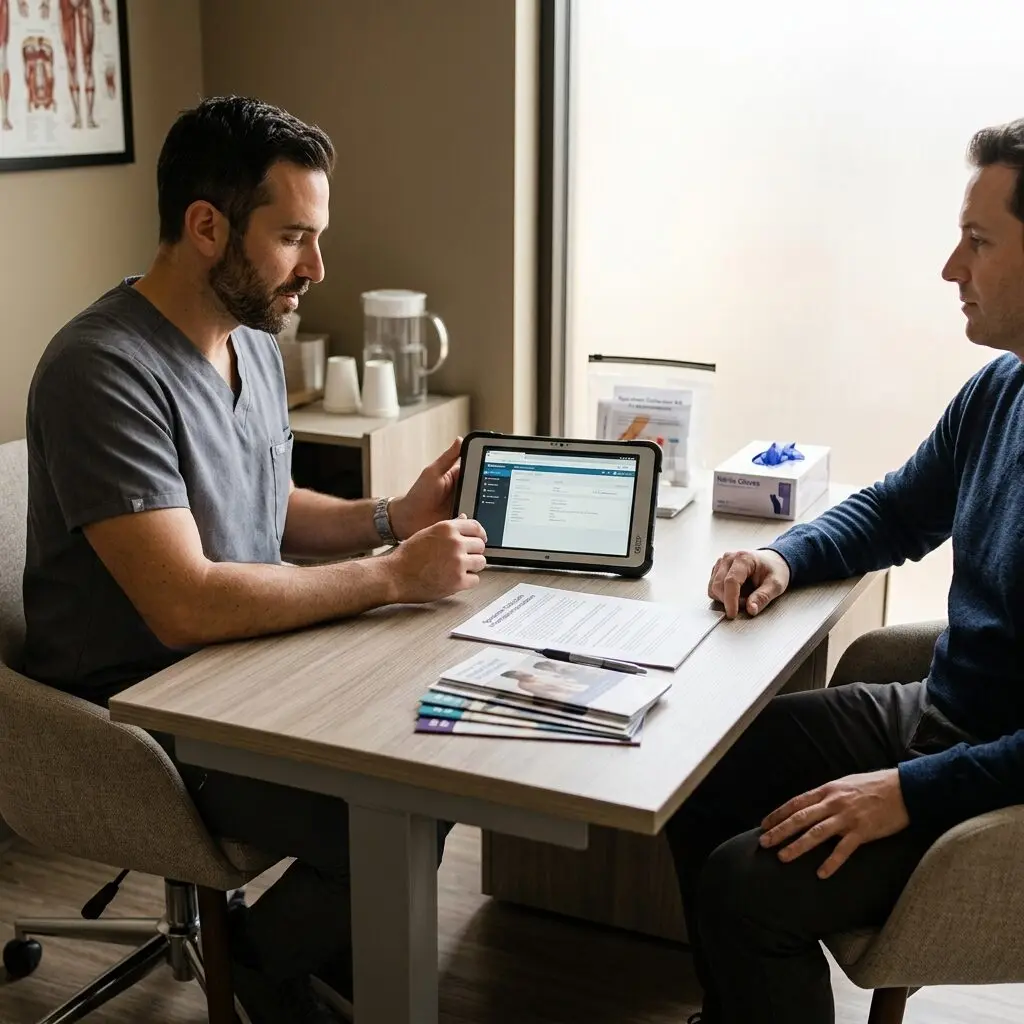
An STI testing appointment may begin with questions rather than a test. Your healthcare provider may ask when you last had sexual contact, whether you have experienced symptoms, whether you have a new partner, and what type of sexual contact occurred. These questions help determine which testing options may be relevant.
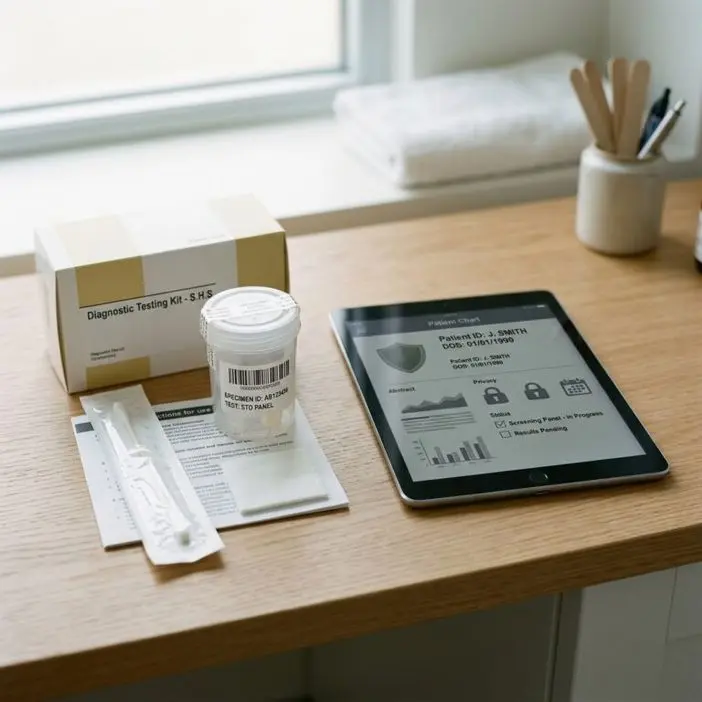
Depending on the infection and circumstances, testing may involve urine, blood, a swab, or another specimen. You may not need every type of test.
You do not need to prepare a detailed medical report before arriving. Being ready to discuss your concerns honestly can give your provider useful information for deciding what comes next.
Why Timing Matters
After a possible exposure, it can be tempting to assume that testing immediately will provide a complete answer. That is not always the case.
Different infections and tests have different detection windows. The appropriate timing depends on what infection is being evaluated and when the potential exposure occurred.
If you are concerned about a recent sexual encounter, tell the healthcare provider when it happened. Rather than guessing whether you are “too early” or “too late” for testing, ask what timing is appropriate for your circumstances. This can help avoid false reassurance from a result obtained before an infection could reliably be detected.
If Your Result Is Negative
A negative result can provide useful information, but its meaning depends partly on the test and its timing.
If testing occurred very soon after a potential exposure, a healthcare professional may recommend follow-up testing depending on the infection and circumstances. A negative result should therefore be interpreted in context rather than treated as an absolute answer to every possible exposure.
If symptoms continue or you remain concerned about a recent exposure, ask whether additional testing or follow-up is recommended.
If Your Result Is Positive
A positive STI result can understandably cause anxiety, but it can be addressed with appropriate professional care.
Your provider can explain what the result means and discuss treatment or management when appropriate. Depending on the infection, partner notification or testing may also be recommended.
Avoid relying on social media posts or anonymous online advice to decide what to do next. The appropriate response depends on the specific infection, your circumstances, and current medical guidance. Follow-up care can help you understand the condition and reduce the risk of complications or further transmission.
Making Testing Part of Responsible Healthcare
For many people, STI testing is simply one part of taking an active role in their sexual health.
A useful starting point is an honest conversation: explain your concern, provide relevant exposure information, and ask what testing is appropriate. You can also ask about service costs before scheduling or proceeding with testing, particularly when searching for services described as “free.”
Medical Disclaimer
This article is for general informational purposes only and does not constitute medical advice, diagnosis, or treatment. STI screening recommendations vary by individual circumstances. Speak with a qualified healthcare professional about your specific health needs.
Take the Next Step With Sexual Health Screening
You do not need to wait for symptoms or live with uncertainty before asking a healthcare professional about STI testing. Understanding your options and discussing your circumstances can help you make a more informed decision about your care.
If you are looking for STD testing in Hollywood, Brentview Medical’s STD testing services can be a starting point for discussing available testing options. Contact the clinic to ask about current services, pricing, and appointment availability based on your needs.
FAQs
Can I get an STI without noticing symptoms?
Yes. Some sexually transmitted infections may not cause noticeable symptoms. Whether testing is appropriate depends on factors such as your exposure, sexual history, and individual circumstances.
Does everyone need the same STI tests?
No. Testing needs can vary depending on the infection being considered, symptoms, type of exposure, timing, and other factors. A healthcare professional can help determine which tests are appropriate.
What should I tell my provider before testing?
Tell your provider about symptoms, recent or new sexual partners, possible exposures, the approximate timing of an exposure, and any relevant previous testing or STI diagnosis. This information can help guide the testing discussion.
Can I be tested if I feel completely healthy?
Yes. Feeling healthy does not automatically mean STI testing is unnecessary. Depending on your circumstances, screening may be appropriate even when you have no noticeable symptoms.
What happens if my test result is positive?
Your healthcare provider can explain the result and discuss appropriate treatment or management. Depending on the infection, you may also be advised to notify sexual partners so they can seek medical care.